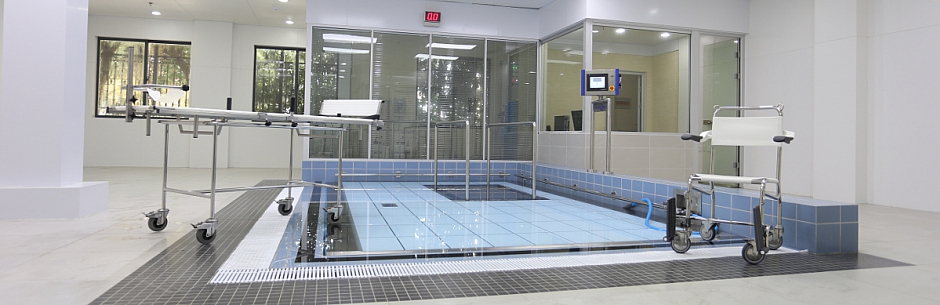
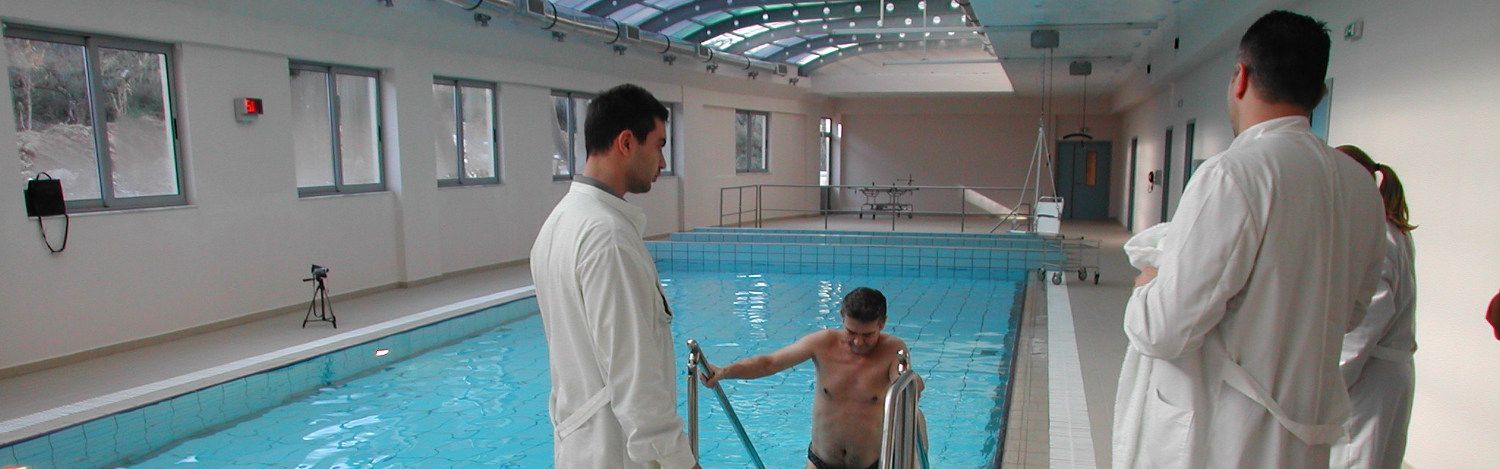
Rehabilitation pools are typically heated to a warmer temperature than regular swimming pools. The warm water helps to relax muscles, increase circulation, and reduce pain.
Back to all products
Rehabilitation pool
What is a rehabilitation pool?
A rehabilitation pool, often referred to as a hydrotherapy or aquatic therapy pool, is a specialized pool used for therapeutic purposes. It is designed to aid in the rehabilitation of patients with various physical conditions or injuries. Here are some key features and benefits of a rehabilitation pool:
- Warm Water
- Buoyancy
The buoyancy of water reduces the weight and stress on joints, allowing patients to move more freely and with less pain. This is especially beneficial for individuals with arthritis, joint injuries, or post-surgical conditions.
- Resistance
Water provides natural resistance, which can be used to strengthen muscles without the need for weights. The resistance can be adjusted by changing the speed or method of movement.
- Safety
The risk of injury from falls is reduced in water, making it a safer environment for patients who might have balance issues or are at risk of falling.
- Versatility
A variety of exercises can be performed in a rehabilitation pool, from gentle movements to more intense workouts. This allows for a tailored approach to meet the specific needs of each patient.
- Equipment
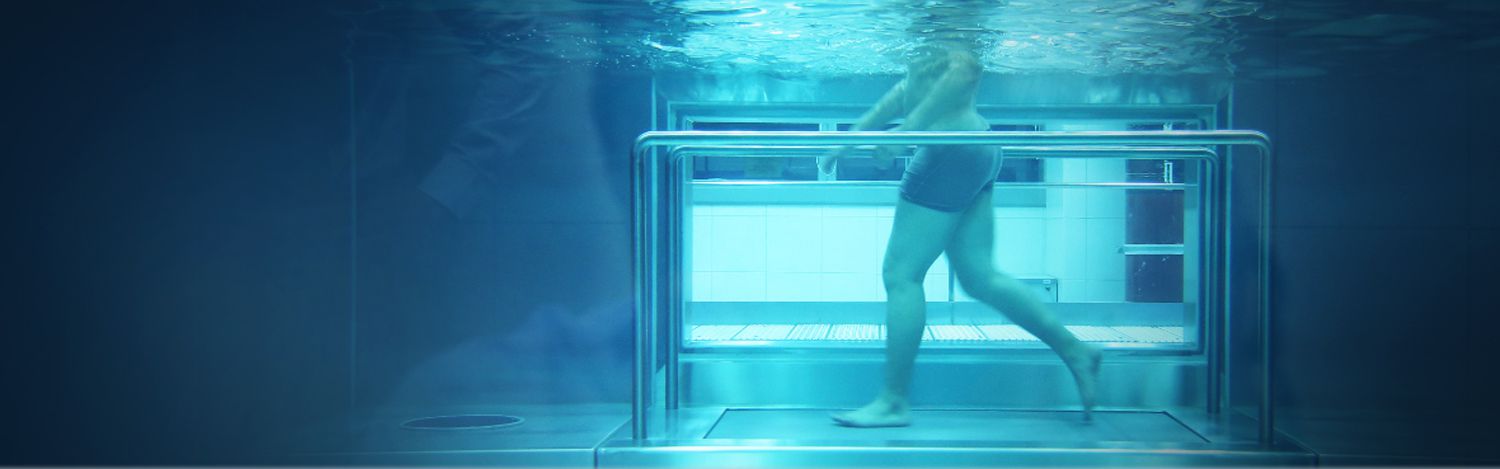
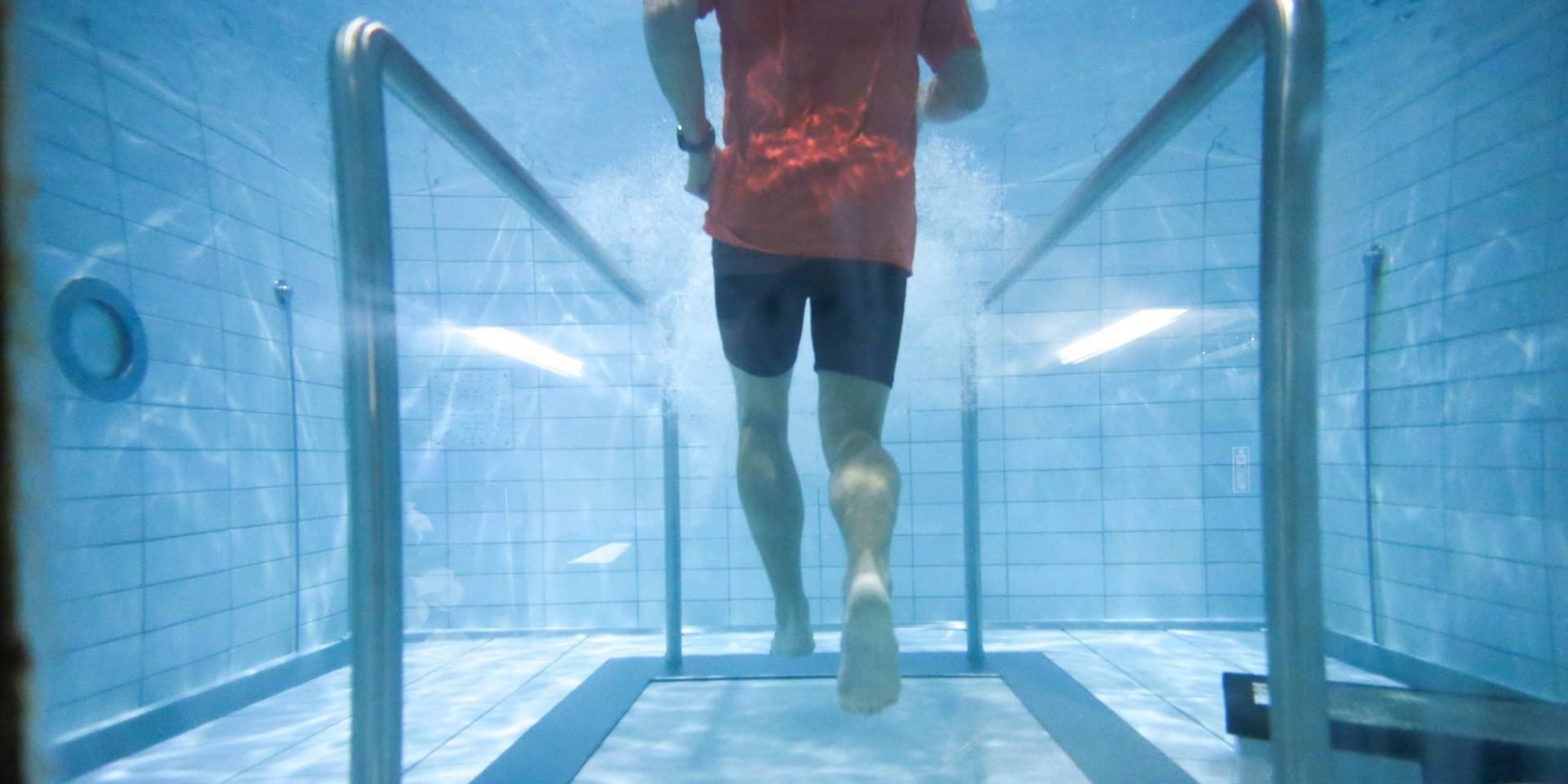
Many rehabilitation pools are equipped with special features like underwater treadmills, resistance jets, and handrails to aid in therapy.
- Pain Relief
The combination of warm water, buoyancy, and hydrostatic pressure can help reduce pain and inflammation.
- Improved Mobility
Regular aquatic therapy can help improve flexibility, range of motion, and overall mobility.
Rehabilitation pools are commonly found in physical therapy clinics, hospitals, and some specialized fitness centers. They are used to treat a wide range of conditions, including orthopedic injuries, neurological disorders, chronic pain conditions, and post-surgical recovery. Always consult with a trained therapist or medical professional before starting any form of aquatic therapy.
The application of Rehabilitation pools
Rehabilitation pools offer a multifaceted approach to healing, addressing both the physical and psychological needs of patients. By harnessing the therapeutic properties of water, these pools provide a unique environment that promotes recovery, well-being, and empowerment. The applications of these pools can be grouped under the overarching conceptual premise of “Holistic Healing Through Water.”
Holistic Healing Through Water:
- Chronic Pain Management
The water’s warmth and buoyancy provide immediate relief by reducing pressure on painful joints and muscles, making it essential for those with conditions like arthritis, fibromyalgia, or chronic back pain.
- Post-Traumatic Stress Syndrome (PTSS)
The calming nature of water offers therapeutic benefits for individuals with PTSS, helping regulate the nervous system and reduce anxiety.
- Embodiment and Grounding
The tactile sensation of water fosters a sense of reconnection and embodiment, especially for those feeling disconnected from their bodies due to trauma.
- Calming Environment and Stress Reduction
The sound and warmth of water have a meditative effect, reducing stress and anxiety, and promoting relaxation.
- Neurological Rehabilitation
The pool provides a safe environment for patients with neurological disorders, allowing them to regain strength and coordination without the fear of falling.
- Enhanced Mood and Emotional Well-being
Physical activity in water boosts endorphin levels, leading to improved mood and emotional health.
- Improved Mobility and Physical Functionality
Water resistance promotes flexibility and strength, benefiting those whose chronic pain has led to reduced mobility.
- Mindfulness and Presence
The immersive nature of water encourages mindfulness, helping patients stay present and focused on their healing journey.
- Social Interaction and Support
Group therapy sessions in rehabilitation pools foster a sense of community, crucial for those dealing with the isolating effects of chronic pain or trauma.
- Empowerment and Self-Efficacy
Achieving therapeutic milestones in the pool boosts a patient’s confidence and belief in their ability to manage their condition.
Methods
Which kinds of rehabilitation pools exist?
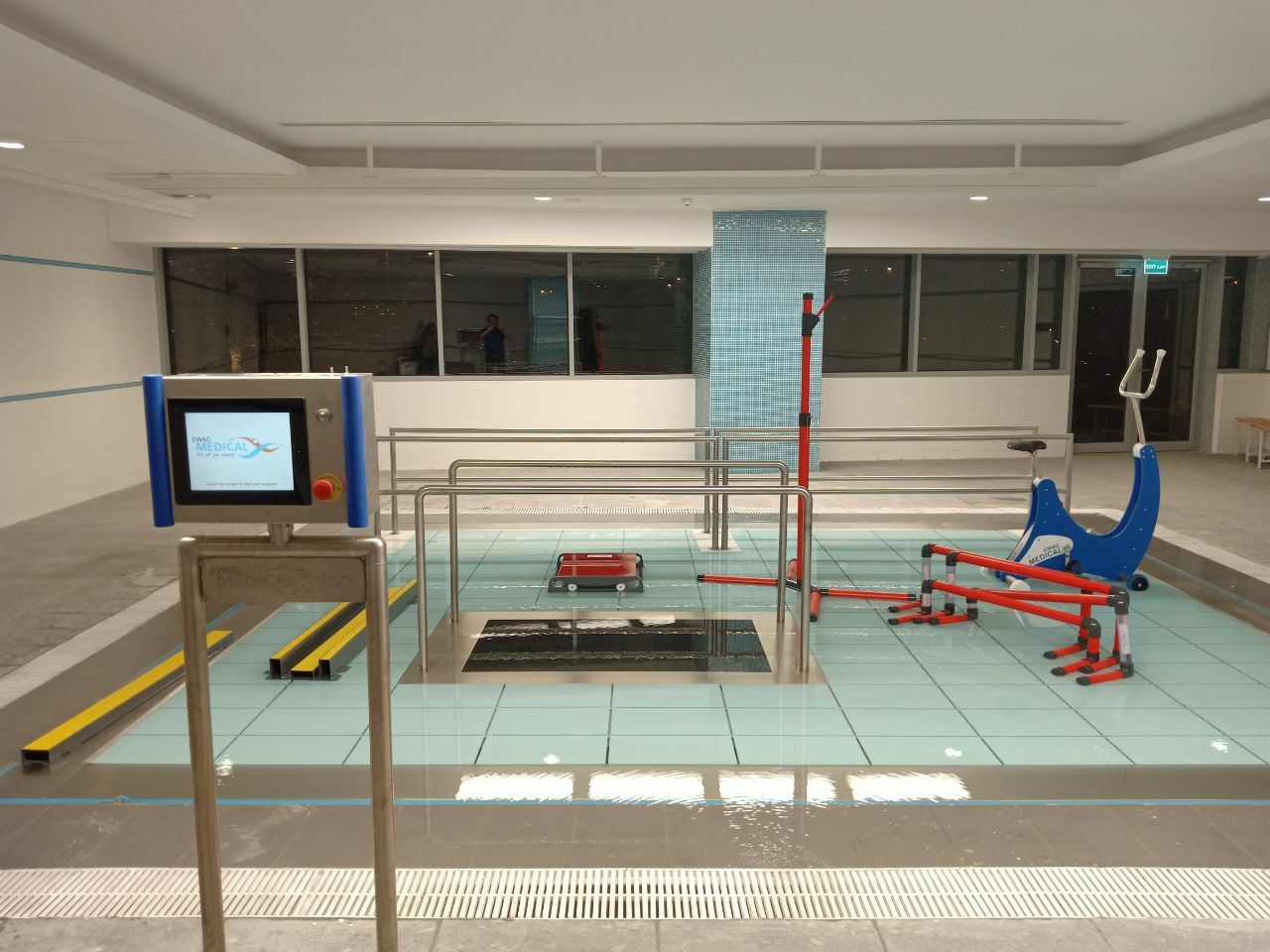
EWAC Medical Stainless Steel Modular Pool: The EWAC Medical pool is a flexible aquatic therapy solution with a movable floor, allowing therapists to adjust water depth for individual patient needs. This ensures optimal buoyancy and resistance, catering to varied rehabilitation requirements. Additionally, its underwater treadmill offers patients the chance to walk or run without full weight-bearing impact, ideal for post-surgical recovery or joint issues.
Concrete Pool: Traditional concrete pools are sturdy and versatile but lack the adaptability of modular designs. Modifications are challenging and often costly.
Advantages of the Modular Pool: Compared to concrete pools, the EWAC Medical modular pool stands out with its adaptability, movable floor, and underwater treadmill. These features enhance therapeutic outcomes, making it a superior choice for diverse rehabilitation needs.
How to improve the functionality of a Rehabilitation pool
From a therapist’s perspective, the movable floor is a game-changer. It allows for tailored water depth adjustments to cater to individual patient needs. Whether it’s for a patient with limited mobility needing more support in shallower water or someone working on strength training in deeper water, this feature ensures optimal buoyancy and resistance levels.
The underwater treadmill is a boon for therapists aiming to provide cardiovascular and muscle strengthening exercises without the strain of land-based workouts. It’s particularly beneficial for post-surgical patients or those with joint issues, allowing for dynamic movement in a low-impact environment.
Underwater Cameras
These cameras provide therapists with a real-time view of a patient’s movements, enabling them to monitor and correct posture, gait, and technique. This visual feedback is invaluable for ensuring that exercises are done correctly, maximizing therapeutic benefits.
An underwater bicycle offers a unique way to combine the resistance of water with the familiar activity of cycling. For therapists, it’s another tool to enhance cardiovascular health, muscle tone, and joint mobility, all while ensuring the patient remains supported by the water.
This curved underwater treadmill amplifies the benefits of aquatic therapy. It allows therapists to introduce varied terrains, challenging patients in new ways and promoting better balance, coordination, and strength.
For therapists aiming to improve a patient’s agility, coordination, and strength, an aquatic obstacle course is an excellent tool. The water’s resistance combined with the course’s challenges ensures a comprehensive workout, catering to both physical and cognitive rehabilitation needs.
Ensuring every patient can access the pool safely is a top priority for therapists. The overhead pool hoist is a seamless solution, especially for patients with severe mobility restrictions. It ensures safe transfers into and out of the pool.
Stair Systems
For those who can use stairs but need additional support, specialized stair systems offer a safe and gradual entry into the pool. They can be tailored to the patient’s comfort level, ensuring confidence with each step.
Incorporating these advanced features and accessories into a rehabilitation pool ensures therapists can provide the most comprehensive care possible. From monitoring a patient’s underwater movements to introducing varied exercises, these tools empower therapists to cater to diverse rehabilitation needs, ensuring each patient receives optimal, personalized care.
What are the alternatives for a Rehabilitation pool?
When considering the therapeutic use of water, rehabilitation pools are just one avenue. There are several alternatives that harness the healing properties of water for patient care. Two primary categories in aquatic therapy are “Passive” and “Active” Aquatic Therapy.
Passive Aquatic Therapy: In this form of therapy, the patient is more relaxed and doesn’t actively participate in exercises. Instead, the water’s warmth, buoyancy, and hydrostatic pressure work on the body to provide relief and healing. It’s more about relaxation and gentle stimulation of the body.
Active Aquatic Therapy: This involves the patient actively participating in exercises and movements in the water. The water provides resistance, buoyancy, and support, allowing for effective and often pain-reduced exercises.
This is a specialized bath designed for both passive and active aquatic therapy
Butterfly bath in passive application: Allows patients to relax in warm water, benefiting from the therapeutic effects of buoyancy, warmth, and hydrostatic pressure. It’s especially useful for those with chronic pain or those needing relaxation and stress relief.
Butterfly bath in active application: Designed for patients to perform specific exercises, it offers the benefits of water resistance and support. It’s ideal for targeted muscle strengthening, improving joint mobility, and post-surgical rehabilitation.
This bath is tailored for active aquatic therapy, especially focusing on core strengthening and flexibility. Incorporating principles of Pilates into aquatic therapy, it allows patients to perform exercises with the added resistance of water, enhancing the benefits of traditional Pilates.
These baths are designed specifically for passive aquatic therapy. They offer patients the chance to immerse in warm water, letting the therapeutic properties of the water soothe muscles, reduce pain, and promote relaxation. Each bath in the range might have specific features or designs to cater to different therapeutic needs or patient preferences.
While rehabilitation pools offer a comprehensive environment for aquatic therapy, alternatives like the Hubbard Tank, Pilates Bath, and other passive hydrotherapy baths from EWAC Medical provide specialized solutions for both passive and active aquatic therapy needs.
Target Groups
Methods